Burble: The Typeface That Feels Like a Well-Worn Trail
There’s a certain charm in things that feel both strong and welcoming, like a sturdy wooden sign at the entrance to a national park or the bold label on a jar of artisanal jam. You want something that commands attention but also whispers of authenticity and warmth. This is the exact space that the Burble typeface occupies. It’s not just another slab serif; it’s a design asset built for projects that need to feel grounded, trustworthy, and full of character. If you’re crafting a brand identity that tells a story of adventure, craftsmanship, or natural simplicity, understanding what Burble brings to the table is a great first step.
A Vintage Slab Serif with a Handcrafted Soul
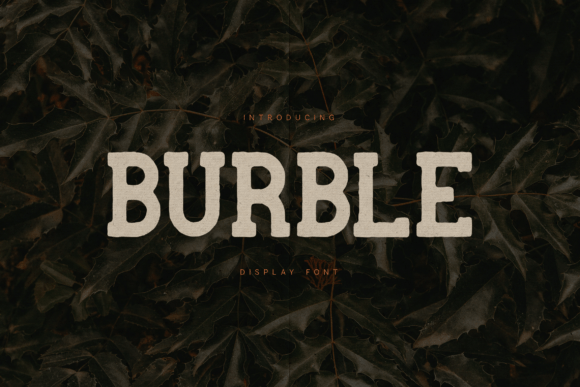
At its core, Burble is a bold, vintage-inspired display font. But what does that mean for your project? Think of the classic slab serifs you’ve seen—they often have a powerful, almost industrial presence. Burble takes that foundational strength and softens it. The letterforms feature strong, blocky serifs, but they’re paired with soft, rounded curves and a subtle, weathered texture. This combination removes the harshness you might associate with a standard slab, replacing it with a hand-pressed, organic feel. It’s the typographic equivalent of a brand-new axe with a smoothly sanded hilt—it’s built for work, but it’s a pleasure to hold.
This unique visual personality makes Burble incredibly versatile. The font’s weighted presence gives it excellent readability even at large sizes, which is crucial for headlines on signage, wood-print packaging, or the hero text on a website. It carries a confident, timeless aesthetic that feels like it has a story to tell, making it a fantastic choice for nature-based branding, farm-to-table restaurant menus, and adventure gear logos. It communicates sturdiness without sacrificing approachability.
Where Burble Truly Shines: Practical Applications
Knowing a font looks good is one thing; knowing how to use it effectively is where the real value lies. Burble’s character lends itself to a wide array of creative and commercial projects. Its vintage, handcrafted vibe is perfect for logos and branding for businesses like craft breweries, botanical gardens, outdoor apparel companies, or cozy cabin rentals. The typeface does a lot of the heavy lifting in establishing a brand’s tone, instantly signaling a connection to tradition, quality, and the great outdoors.
Beyond the logo, consider its role in your broader visual system. For packaging design, Burble can make a product feel premium and tactile before it’s even picked up. Imagine it on a coffee bag, a bottle of hot sauce, or a box of artisanal chocolates. In editorial design, it works beautifully for magazine covers, chapter headings in a book, or feature titles in a layout, adding a touch of crafted sophistication. For digital creators, it’s a powerful tool for social media graphics, blog post headers, and website banners that need to stop the scroll and convey a clear, confident message.
- Logo & Brand Identity: Creates a memorable, story-rich foundation for your visual brand.
- Packaging & Labels: Adds shelf appeal and communicates product quality and origin.
- Signage & Environmental Graphics: Ensures readability and a welcoming atmosphere for physical spaces.
- Posters & Marketing Materials: Grabs attention with its bold, vintage character.
- Apparel & Merchandise: Translates well to screen printing and embroidery for hats, shirts, and totes.
- Websites & Blogs: Serves as a striking headline font that establishes visual consistency.
- Digital Products & Invitations: Provides a unique, professional look for e-books, guides, or event materials.
Building a Balanced Brand: Pairing Burble with Other Fonts
A single typeface rarely works alone. The real magic happens when you create a thoughtful font pairing. Burble’s strong, textured personality means it pairs best with fonts that offer contrast without competition. A clean, modern sans serif is its ideal companion. Think of a typeface like Montserrat, Lato, or Open Sans. Using Burble for your main headlines and a simple sans serif for body copy creates a beautiful “outdoorsy-chic” look. The slab serif provides the character and anchor, while the sans serif ensures long blocks of text remain easy to read.
This principle of contrast extends to other pairings as well. You could pair it with a simple, elegant script font for a touch of handwritten flair on a wedding invitation or a menu, but use the script sparingly. The key is to let Burble be the star of the show for key messages. When testing your pairings, always check them in context. View them on a mockup of your website, on a sample packaging layout, or as a social media post. Does the hierarchy feel clear? Is the body text still comfortable to read? This practical testing is more valuable than any theory.
Making the Most of Your Creative Font Investment
Choosing a premium font like Burble is an investment in your project’s professionalism. To maximize that investment, start by reviewing all the included styles and characters. A quality creative font often includes more than just uppercase and lowercase letters. Check for numerals, punctuation, and multilingual support if you’re working on projects that require special characters. Understanding the full scope of what you have ensures you can use it to its full potential across all your design assets.
Finally, always be mindful of the practical side of font usage. Before finalizing your choice for any commercial project, verify the licensing. Ensure the license covers your intended use, whether it’s for a client’s logo, printed merchandise, or a digital product you plan to sell. This step is non-negotiable for professional work and protects both you and your client. By pairing a versatile typeface like Burble with smart design choices and proper licensing, you create a cohesive, engaging visual language that resonates with your audience and stands the test of time.