Rough Vintage: Capturing Authentic Character in Your Designs
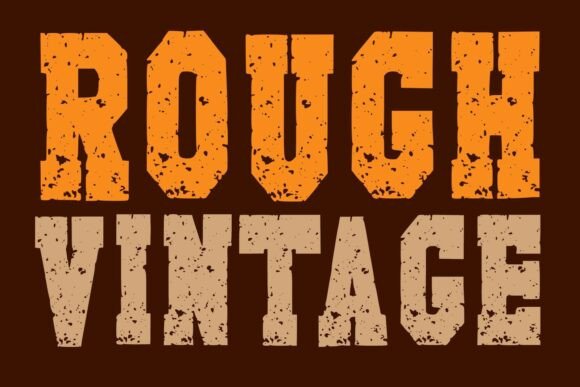
There’s a certain magic in things that show their age. A faded sign, a well-worn leather jacket, a book with dog-eared pages—these objects tell a story. In the world of design, that sense of history and authenticity is a powerful tool, and it’s precisely what the Rough Vintage typeface delivers. This isn’t just another distressed font; it’s a carefully crafted tool for injecting genuine character into your work. Its bold, rugged letterforms, inspired by classic retro signage and worn typography, carry a weight and presence that polished, modern fonts often lack. If your project needs to feel established, trustworthy, or simply full of personality, this font speaks that language fluently.
A Typeface with Built-In History and Grit
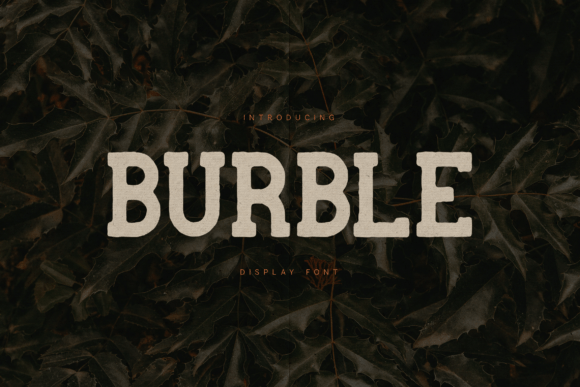
What sets Rough Vintage apart from other display fonts is its intentional imperfection. The distressed texture isn’t an afterthought; it’s integrated into the very skeleton of each glyph. This gives it an authentic vintage look that feels earned, not applied. The strong, confident letterforms ensure that despite the texture, the font remains incredibly versatile. It’s a premium font that understands the balance between ruggedness and readability. Whether you're setting a single impactful word or a short, punchy headline, the character of the typeface does the heavy lifting, immediately establishing a mood that aligns with vintage, grunge, rustic, or retro aesthetics.
Practical Applications for the Modern Creative
Understanding where a font like this excels is key to using it effectively. Its bold personality makes it unsuitable for body text, but it shines in applications where first impressions and emotional impact are paramount.
- Branding & Logo Design: For brands in the craft beverage, artisan food, outdoor adventure, or heritage goods space, Rough Vintage can be the cornerstone of a brand identity. It communicates durability, tradition, and hands-on quality. Imagine it on a coffee roaster’s logo or a brewery’s tap handle design.
- Packaging & Labels: On shelf, you have seconds to catch a customer’s eye. This creative font makes products feel premium and artisanal. It’s perfect for hot sauce labels, cosmetic packaging for natural products, or snack foods with a “homemade” angle.
- Posters & Merchandise: From music festival posters to band t-shirts, the gritty texture adds an edgy, authentic vibe. It’s equally at home on vintage-inspired event flyers or merchandise for a local coffee shop.
- Digital Presence: Use it strategically in web design for hero section headlines, section titles, or call-to-action buttons to break the monotony of standard sans-serifs. It’s a standout choice for social media graphics, especially for Instagram stories, quote cards, or promotional banners where stopping the scroll is the goal.
- Editorial & Marketing: In magazine layouts or digital lookbooks, a headline set in Rough Vintage can anchor a feature story with a strong thematic element. For marketing assets like sale banners or email headers, it adds a layer of urgency and character.
Making It Work: Pairing and Professional Considerations
Using a powerful display font effectively requires a thoughtful approach. You wouldn’t use a sledgehammer for every task, and the same principle applies here. The goal is to let Rough Vintage be the star while ensuring the overall design remains balanced and functional.
Font Pairing is Essential: To maintain readability and visual hierarchy, pair this typeface with a clean, neutral companion. A simple sans-serif like Montserrat or a classic serif like Lora for body text creates a beautiful contrast. The rough, expressive headline font grabs attention, while the paired font delivers the supporting information clearly. This contrast also enhances professional presentation, showing intentional design choices.
Test for Context: Always test your chosen font style at the actual size it will be used. A texture that looks fantastic on a poster might become muddy in a small website button. Review the included font styles—many premium fonts like this offer multiple weights or alternate characters—that can provide subtle variations for different uses.
Understand the License: If you’re using Rough Vintage for commercial projects—which is likely, given its applications—ensure you have the correct commercial font license. This is a non-negotiable step for any professional work, protecting you and respecting the font creator’s work. It’s a fundamental part of working with design assets.
Elevating Your Project’s Narrative
Ultimately, typography is a silent storyteller. Choosing a font like Rough Vintage is a decision to tell a specific kind of story—one of heritage, resilience, and tangible quality. It helps improve brand recognition by creating a distinct and memorable visual voice. When your audience sees that textured, bold headline, they don’t just read a word; they feel a vibe. This emotional connection is what drives audience engagement, making your designs more than just visually appealing—they become communicative.
Whether you’re a small business owner crafting your first logo, a content creator designing a signature style for your YouTube thumbnails, or a designer looking for a reliable retro font for client work, having a tool like Rough Vintage in your toolkit is invaluable. It solves a common creative challenge: how to add instant depth and personality. It bridges the gap between a flat digital design and a rich, tactile experience, proving that sometimes, the most powerful designs are those that aren’t afraid to show a little wear and tear.