Frog: A Playful Dingbat Font to Jumpstart Your Creativity
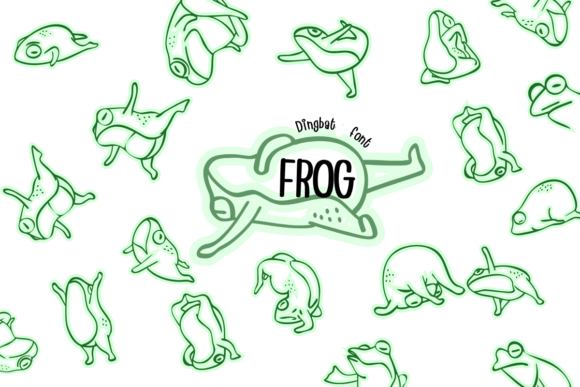
Sometimes, a project just needs a little spark of personality. You’ve got the layout nailed, the colors are on point, but something feels a bit too serious, a touch too sterile. That’s where a characterful element like the Frog font comes in. It’s not your typical text typeface; it’s a cute dingbat font, a collection of whimsical, frog-themed symbols and illustrations. Think of it as a toolkit of tiny, charming graphics ready to be sprinkled into your work. Adding it to your creative projects can instantly inject a dose of playfulness and delight, and the results are often surprisingly effective.
More Than Just a Cute Face: The Visual Charm of Frog
At its heart, Frog is a display font in the truest sense—designed to be seen, not necessarily to set long paragraphs of text. Its visual appeal lies in its consistent, friendly character. Each dingbat, whether it’s a leaping frog, a lily pad, a crown, or a set of playful eyes, shares a cohesive style. This isn’t a random clipart collection; it’s a curated set of illustrations that work together harmoniously. The lines are clean and bold, making them scalable for various uses without losing clarity. The aesthetic is inherently approachable and fun, which makes it a powerful tool for projects targeting audiences that appreciate creativity, lightheartedness, and a touch of whimsy.
Practical Applications: Where Frog Really Shines
The true value of a creative font like this is measured in its real-world use. Let’s explore how you can put these charming glyphs to work across your design and branding projects.
Building a Memorable Brand Identity
For a business with a playful ethos—think a children’s boutique, a quirky café, a pet grooming service, or a creative workshop studio—Frog can become a cornerstone of brand recognition. Using a specific frog icon as a recurring motif in your logo, on your website favicon, or as a subtle watermark on social media graphics creates a visual thread that customers learn to associate with your brand’s personality. It’s a simple way to build a friendly and consistent identity that stands out in a crowded market.
Eye-Catching Packaging and Marketing Materials
Imagine a product label for artisanal honey featuring a tiny frog perched on a flower, or a thank-you card for an online order adorned with a smiling lily pad. These small details transform ordinary packaging into a memorable unboxing experience. Similarly, in marketing assets like email newsletters, flyers, or posters, a well-placed dingbat can break up text, draw the eye to a key message, or simply make the material more enjoyable to read. It’s about adding a visual cue that says, “Hey, this brand doesn’t take itself too seriously.”
Digital Presence and Social Media Flair
On platforms like Instagram or Pinterest, visual impact is everything. Using Frog characters as decorative elements in your Stories, as part of highlight reel covers, or interspersed within carousel post graphics can significantly boost engagement. They’re perfect for creating a cohesive and playful aesthetic for your feed. For bloggers and content creators, these icons can serve as charming bullet points, section dividers, or illustrative accents that make your articles and digital products more visually engaging and easier to navigate.
Print Projects with Personality
From invitations for a child’s birthday party to menu designs for a café with a garden theme, the applications in print are vast. Think of custom stickers, notebook covers, or even subtle patterns on stationery. The key is using the dingbats as accent elements rather than the main event. A single, well-chosen frog icon on a wedding invitation suite for a couple who met in a park can tell a sweet, personal story without a single word.
Integrating Frog Effectively: A Designer’s Practical Guide
Adding a specialty font to your toolkit requires a thoughtful approach to ensure it enhances rather than clutters your work. Here’s how to use Frog with finesse.
Pairing for Balance: The most critical step is choosing the right partner font. Frog’s playful nature means it pairs beautifully with clean, neutral typefaces. A simple sans serif font for body text or a classic serif font for headings can provide a stable foundation that lets the Frog dingbats pop without overwhelming the design. Avoid pairing it with other highly decorative or script fonts, as this can create visual chaos.
Purposeful Placement: Always ask: what is this icon doing here? Use it to guide the reader’s eye, to highlight a key point, or to reinforce a thematic element. For example, using a frog icon as a bullet point in a list about “5 Tips for a Great Morning” adds charm. Using ten different frog icons haphazardly across a business report looks unprofessional. Context is everything.
Readability is Key: While Frog is a display font, remember that the primary goal of most text is to be read. Ensure that any dingbat used in close proximity to body copy doesn’t interfere with legibility. Its size and color should complement, not compete with, your primary text.
Understanding Your License: Before using Frog in a commercial project—whether it’s for a client, for merchandise you sell, or for your business’s marketing—always verify the font’s licensing. Most premium fonts come with clear commercial licenses, but it’s your responsibility to ensure your use complies. This protects both you and the font creator.
A Final Thought on Creative Tools
The best design assets are those that solve a problem or fill a specific need. Frog isn’t a font you’ll use for every project, and that’s okay. Its strength lies in its ability to inject personality and visual interest in a very specific, delightful way. For the right project, it can be the secret ingredient that transforms good design into something truly engaging and memorable. So, if your next creative endeavor calls for a dose of whimsy and charm, consider giving this playful dingbat typeface a try. The results might just make you smile.