Tiny Flowers Font: A Whimsical Touch for Creative Projects
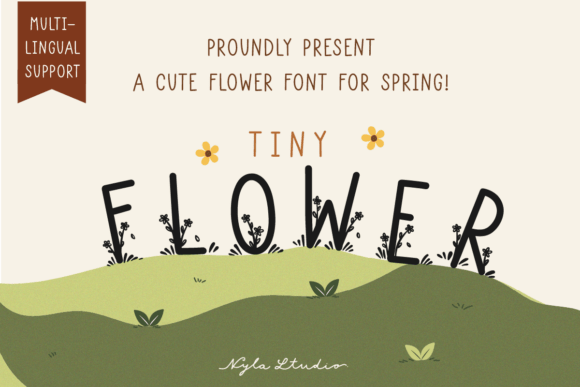
There's something undeniably joyful about a design that feels fresh, approachable, and full of personality. If you've ever scrolled through social media or browsed a boutique shop and noticed a font that instantly made you smile—something playful yet polished, decorative but still readable—you know the power a typeface can hold. That's exactly the kind of energy Tiny Flowers brings to the table. This decorative font captures the lighthearted spirit of spring and summer with its floral embellishments, making it a standout choice for anyone looking to inject warmth and charm into their creative work.
Why a Decorative Font Like This Works So Well
Fonts do more than just display words. They set a mood, communicate a brand's personality, and influence how people perceive a message before they even read it. A premium font with a distinct visual character—like a display font adorned with tiny floral details—can transform an ordinary design into something memorable. Think about the last time you received a greeting card with hand-lettered flowers woven into the typography. It probably felt more personal, more intentional. That's the effect a creative font like Tiny Flowers can achieve.
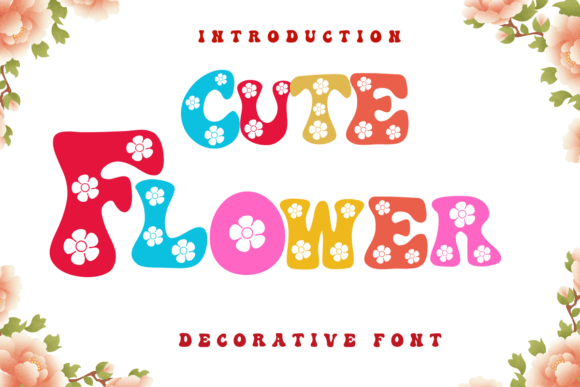
What makes this particular typeface stand out is its balance. It's decorative without being overwhelming. The floral elements are integrated subtly enough that the text remains legible, but prominent enough to give any project a distinct seasonal or nature-inspired feel. This is crucial because many decorative fonts sacrifice readability for style. With Tiny Flowers, you get both.
Where Tiny Flowers Truly Shines
One of the best things about a versatile display font is the sheer range of projects it can enhance. Here's where you might find Tiny Flowers particularly useful:
- Branding and Logo Design: If you're building a brand identity for a florist, a bakery, a children's boutique, a wellness studio, or any business with a soft, approachable aesthetic, this font can become a cornerstone of your visual language. Pair it with a clean sans serif font for body text, and you've got a cohesive look that feels both professional and inviting.
- Packaging Design: Product packaging is one of the first touchpoints a customer has with a brand. A creative font with floral accents can make a candle label, a soap wrapper, or a tea box feel artisanal and thoughtful. It tells the customer that care went into every detail.
- Social Media Graphics: Platforms like Instagram and Pinterest are visual-first environments. Using a distinctive font in your social media graphics helps your content stand out in a crowded feed. Whether you're creating quote posts, story templates, or promotional banners, Tiny Flowers adds a layer of visual interest that plain fonts simply can't match.
- Invitations and Greeting Cards: Wedding invitations, baby shower cards, birthday party invites—these are moments where the design itself becomes part of the celebration. A handwritten font style with floral touches sets the tone before guests even open the envelope.
- Merchandise and Printables: From tote bags and t-shirts to mugs and stickers, products designed with a playful, eye-catching font tend to resonate with buyers who appreciate personality-driven design. If you sell on platforms like Etsy or run a small shop, incorporating a font like this into your product designs can help differentiate your offerings.
- Websites and Blogs: While you wouldn't use a decorative font for long paragraphs of body copy, it works beautifully for headers, pull quotes, and accent text on a website or blog. It draws the eye and creates visual hierarchy without needing complex design elements.
- Editorial Layouts and Marketing Assets: Magazine covers, newsletter headers, digital ads, and promotional flyers all benefit from typography that catches attention. A font with personality can do the heavy lifting of making a layout feel dynamic and engaging.
Pairing Fonts for Maximum Impact
A common question designers and creators face is how to pair a decorative font with other typefaces. The key is contrast. Because Tiny Flowers has a lot of visual texture, it pairs best with simpler fonts that don't compete for attention. A geometric sans serif font like Montserrat or Lato provides a clean counterbalance. If you want something with a bit more warmth, a humanist sans serif or even a subtle serif font can work well.
The general rule is to let the decorative font be the star—use it for headlines, titles, or key phrases—while the supporting font handles the heavier lifting of body text and longer copy. This approach maintains readability while preserving the visual charm that drew you to the decorative option in the first place.
It's also worth experimenting with scale. A font like Tiny Flowers often looks different at 24 points than it does at 72 points. At smaller sizes, the floral details become more subtle, almost like a texture. At larger sizes, they become a prominent design feature. Testing your font pairings at the actual size they'll appear in your project is one of the most practical steps you can take before finalizing a design.
Readability and Practical Considerations
Any time you work with a decorative font, readability needs to be front and center. This doesn't mean you should avoid decorative options altogether—it means you should use them strategically. For short, impactful text like a logo wordmark, a headline, or a product name, Tiny Flowers is an excellent fit. For paragraphs, instructions, or detailed information, switch to a more traditional typeface.
Think about context. A poster with the phrase "Happy Spring" in Tiny Flowers is instantly readable because the text is short and the visual context supports the message. A paragraph of product instructions in the same font would likely frustrate the reader. Matching your typography to the specific demands of each piece of content is what separates thoughtful design from a design that simply looks pretty.
Another practical point: review the font's full character set before committing to a project. Check for special characters, numbers, and punctuation marks you might need. Some decorative fonts include alternate styles or ligatures that can add even more variety to your designs. Knowing what's available helps you make the most of the asset.
Licensing and Commercial Use
If you're planning to use a font for commercial purposes—which includes anything from selling products with the font on them to using it in client work—it's essential to understand the licensing terms. A commercial font license typically covers specific use cases, and the details can vary. Some licenses allow unlimited personal and commercial use, while others may have restrictions on the number of users, projects, or print runs.
Before incorporating Tiny Flowers into a product you intend to sell or a brand identity you're developing for a client, read the license agreement carefully. This isn't just about legal compliance—it's about respecting the work of the type designer who created the font. When you invest in a properly licensed design asset, you're supporting the creative community and ensuring you have the legal freedom to use the font however your project requires.
Making the Most of Your Typography Choices
Good typography isn't about finding the most elaborate or trendy font. It's about choosing a typeface that aligns with the message you're trying to convey and the audience you're trying to reach. A font like Tiny Flowers is ideal when your project calls for warmth, playfulness, and a touch of nature. It speaks to audiences who appreciate handmade aesthetics, seasonal charm, and lighthearted design.
Whether you're a small business owner refreshing your brand packaging, a content creator looking for fresh social media graphics, or a designer working on an invitation suite, the right font choice can elevate the entire project. Take the time to experiment, test your pairings, and consider how the typography fits within the broader visual story you're telling. When everything clicks—the message, the imagery, and the typeface—your design doesn't just look good. It communicates something meaningful.