Bowling: The Sweet Handwritten Font for Joyful, Romantic Designs
There’s a certain magic in a font that feels like it was written by a human hand, one that carries warmth and personality right into your design. That’s the immediate charm of Bowling, a sweet and cursive handwritten typeface that feels both joyful and intimate. In a world saturated with sterile, digital perfection, this font offers a gentle, romantic touch that can transform the ordinary into something truly special. It’s not just a collection of letters; it’s a design asset that brings a casual elegance and a personal story to your projects, making it a versatile tool for anyone looking to create with authenticity.
More Than Just Pretty Letters: Understanding Bowling's Visual Appeal
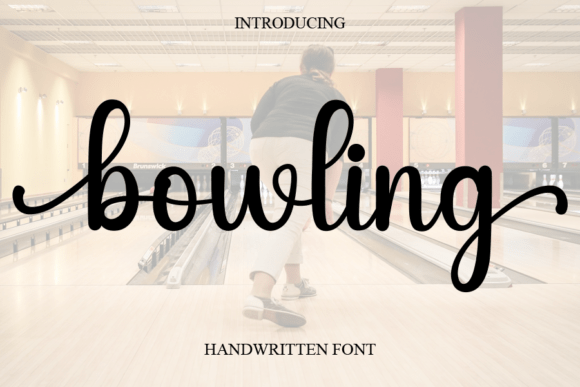
At its core, Bowling is a script font defined by its fluid, connected strokes and a soft, rounded character. Unlike rigid, formal calligraphy, it maintains a relaxed and approachable feel. The letterforms have a natural, slightly bouncy baseline that mimics real handwriting, giving your text a sense of movement and life. This isn't a font that shouts for attention with sharp edges or dramatic contrasts; instead, it draws people in with its inviting and familiar aesthetic. The consistent weight and gentle curves ensure it remains readable even at smaller sizes, a crucial factor for practical application. Its personality sits comfortably between playful and sophisticated, making it a surprisingly adaptable choice for a wide range of creative contexts.
Where Bowling Truly Shines: Practical Applications for Creators and Brands
The true test of any typeface is how it performs in the real world. Bowling excels in projects where human connection and emotional resonance are key. For branding and logo design, it’s perfect for businesses that want to project a friendly, artisanal, or boutique vibe—think a local bakery, a handmade jewelry line, or a cozy café. The font’s inherent warmth helps build immediate brand recognition and a sense of approachability.
In packaging design, Bowling can elevate a product on the shelf. Imagine it on a box of gourmet chocolates, a bottle of artisanal syrup, or the label for a scented candle. It communicates quality and care, suggesting the product inside was crafted with love. For social media graphics, it’s a game-changer. Used in Instagram stories, quote graphics, or promotional posts, it cuts through the visual noise with its personal touch, making your content feel more engaging and less like a corporate broadcast. It pairs beautifully with clean sans-serif fonts for body text, creating a dynamic and readable hierarchy.
Beyond digital, its applications in print are extensive. Wedding invitations, greeting cards, and event posters benefit immensely from its romantic flair. It can also add a unique personality to editorial layouts in magazines or blogs, especially for pull quotes, subheadings, or featured article titles. For merchandise like t-shirts, tote bags, or mugs, Bowling offers a stylish yet casual script that feels trendy and personal. Even in web design, it can be used strategically for hero sections, special announcements, or stylistic headers to break the monotony of standard web fonts.
Strategic Typography: Using Bowling to Achieve Your Design Goals
Choosing a font like Bowling isn’t just an aesthetic decision; it’s a strategic one that impacts your project’s effectiveness. When used thoughtfully, it contributes directly to your core objectives. For brand identity, a consistent use of a unique font like Bowling across your logo, website, and materials helps forge a memorable and cohesive visual language. Customers begin to associate the font’s personality—joyful, romantic, elegant—with your brand itself.
Regarding readability, it’s important to be mindful. While Bowling is legible for headlines and short bursts of text, it’s not designed for long paragraphs. The key is to pair it effectively. Use it as a display font for impact and emotion, and pair it with a highly readable sans-serif font or a simple serif font for your main body copy. This font pairing strategy ensures your design is both beautiful and functional, maintaining a professional presentation without sacrificing personality.
The goal is to enhance audience engagement. A font that feels human and relatable can make your audience feel more connected to your message. Whether it’s a heartfelt thank you note in an email newsletter or an inspirational quote on a poster, Bowling helps bridge the gap between the brand and the individual, fostering a warmer relationship.
Practical Tips for Integrating This Handwritten Font into Your Workflow
Ready to put Bowling to work? Here’s how to do it effectively. First, always review the included font styles. Many premium fonts come with alternates, ligatures, or stylistic sets. Exploring these can help you customize the look and avoid repetitive letter combinations, giving your text a more authentic, hand-lettered feel.
Next, test your font pairings rigorously. Don’t just assume it will work with your chosen secondary font. Lay out a sample of your actual content—your business name, a tagline, a paragraph of body text—and see how the fonts interact. Check for contrast in style and weight, and ensure the overall hierarchy is clear.
Consider the licensing. If you’re using this for a client project, merchandise for sale, or a digital product, ensure you have the correct commercial license. This is a critical step that protects both you and the font creator. Finally, match the typography to your project’s goal. Ask yourself: Does this font support the mood I’m trying to create? For a formal annual report, it might be out of place. For a romantic novel’s cover or a boutique’s branding, it could be the perfect design asset.
In the end, a typeface like Bowling is more than just a tool; it’s a collaborator. It brings a specific voice and energy to the table. By understanding its strengths and applying it with intention, you can harness its sweet, cursive charm to create designs that are not only visually gorgeous but also deeply resonant and effective. It’s a reminder that sometimes, the most powerful design choices are the ones that feel the most human.