Missing Font: The Handwritten Brush Style for Authentic Designs
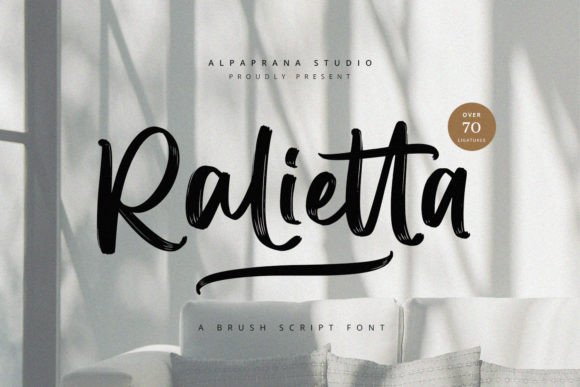
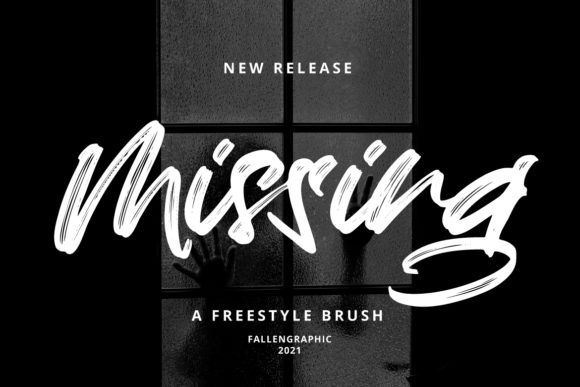
There’s a certain energy a project gets when the typography feels human. You know the look—letters that aren’t perfectly uniform, strokes that have a bit of pressure variation, and an overall vibe that says a real person was involved in the creation. This is exactly the space where the Missing font thrives. It’s a brush style handwritten typeface that brings a layer of organic warmth and artistic flair to digital and print designs. In a landscape crowded with sterile, geometric sans-serifs, choosing a typeface like Missing can be the strategic move that makes your brand or project feel approachable, creative, and memorable.
Understanding the Visual Appeal of a Brush Script
Before diving into specific applications, it helps to understand why a font like Missing works so well visually. Unlike a standard script font that might look overly formal or a casual font that can appear messy, a brush style hits a sweet spot. It carries the authenticity of hand-lettering but with the consistency and scalability required for professional use. The letterforms in Missing likely feature slight irregularities in baseline and x-height, mimicking the natural flow of ink or paint from a brush. This creates a dynamic rhythm on the page or screen, guiding the viewer’s eye in a way that feels effortless and engaging.
For designers and business owners, this visual appeal translates directly into emotional connection. When a customer sees a logo rendered in a brush font, they often subconsciously associate it with craftsmanship, individuality, and care. It’s a typeface that doesn’t just communicate a message; it communicates a feeling. This makes it an incredibly valuable tool in your design assets library, especially when you need to bridge the gap between digital precision and human touch.
Practical Applications Across Creative Projects
The versatility of a premium font like Missing is one of its greatest strengths. It’s not limited to one niche. Here’s how it can be applied across a wide range of projects to enhance visual storytelling and brand identity.
Building a Distinct Brand Identity
Your brand’s typography is a silent ambassador. For businesses in the lifestyle, wellness, food, or creative services sectors, a handwritten font can become a cornerstone of brand recognition. Imagine a bakery using Missing for its logo and packaging. The brush strokes evoke the artisanal, homemade quality of their products. A yoga studio might use it for its signage and social media posts to convey a sense of flow and mindfulness. Consistently using this typeface across your website, business cards, and marketing materials builds a cohesive visual language that customers learn to recognize instantly, strengthening brand recall.
Enhancing Digital Presence and Content
In the digital realm, attention is scarce. A creative font can be a powerful tool for stopping the scroll. For social media graphics, using Missing for a quote overlay or a headline can make a post stand out in a feed dominated by standard fonts. It adds personality to Instagram stories, Pinterest pins, and Facebook ads. On a website or blog, it can be used sparingly for section headings, pull quotes, or call-to-action buttons to draw attention and break up long blocks of text. The key is strategic placement to add visual interest without compromising the readability of body copy, which is best handled by a clean sans serif font or a highly legible serif font.
Elevating Physical and Print Materials
The impact of a brush font isn’t limited to screens. Think about the unboxing experience for an e-commerce brand. Using Missing on thank-you cards, tissue paper, or product labels adds a tactile, personal touch that customers appreciate. It’s equally effective for event invitations, wedding stationery, or poster design for a local art show. The font’s texture translates beautifully to print, giving materials a crafted, high-end feel. For merchandise like tote bags, t-shirts, or mugs, a bold brush script creates designs that people are proud to wear and use, turning customers into brand advocates.
Strategic Typography: More Than Just a Pretty Font
Choosing a typeface is a design decision with strategic implications. It’s about matching the font’s personality with your project’s goals. Missing is an excellent choice when your objective is to convey creativity, warmth, authenticity, or a handmade quality. It’s less suitable for a corporate law firm’s annual report but perfect for a freelance photographer’s portfolio site or a indie coffee shop’s menu.
A crucial part of using any display font effectively is font pairing. Because Missing has such a strong personality, it pairs best with neutral, complementary typefaces. A classic combination is a brush script headline with a clean sans serif for body text. This creates a clear hierarchy, ensuring the most important information grabs attention while the supporting text remains easy to read. Always test your pairings in context—view them at the size they’ll be used and check for legibility, especially on smaller mobile screens.
Key Considerations for Professional Use
Integrating a new font into your workflow requires a few practical checks to ensure a smooth and professional outcome.
- Review the Character Set: Before committing, examine the full character map of the Missing font. Does it include the punctuation, numbers, and special characters you need? Many premium fonts include stylistic alternates, ligatures, and multiple weights or styles (like a regular and a bold version). Understanding these options allows you to fine-tune the typography for maximum impact.
- Test for Readability: This is non-negotiable. A font can be beautiful but fail if it’s hard to read. Test Missing at the intended sizes for your project. Is it legible as a headline on a poster? How does it look as a small logo on a mobile website? Readability considerations are paramount for ensuring your message isn’t lost.
- Understand the License: Commercial licensing is a critical, often overlooked, aspect. Ensure the license for Missing covers your intended use—whether it’s for a single client project, for merchandise you plan to sell, or for use across an unlimited number of personal and commercial projects. Respecting the font creator’s terms protects you legally and supports the design community.
Bringing It All Together
Ultimately, the Missing font is a tool for visual communication. Its value lies in its ability to inject personality and human connection into a design. Whether you’re a small business owner crafting your first brand identity, a marketer creating a campaign that needs to feel relatable, or a designer looking for a standout typeface for a client project, a brush style handwritten font offers a solution that is both aesthetically pleasing and strategically sound. By applying it thoughtfully—considering context, pairing, and readability—you can leverage its strengths to create designs that are not only beautiful but also effective in engaging your audience and building a memorable brand presence.