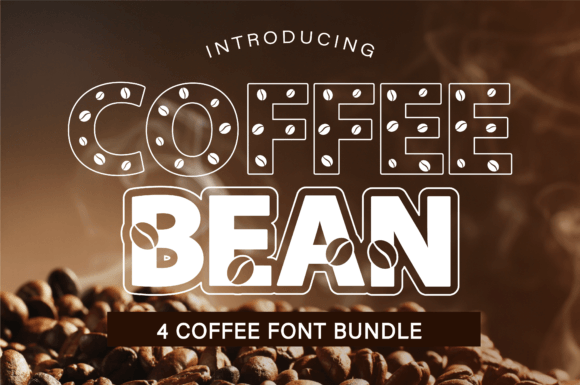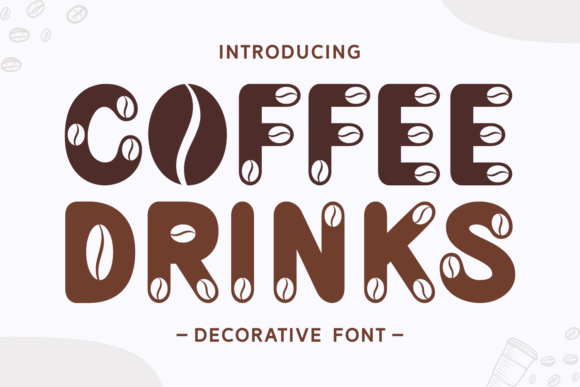
Coffee Drinks: The Font That Captures the Café Vibe
There’s a certain warmth to a well-designed café menu or a beautifully crafted coffee bag. It’s not just about the product; it’s about the entire sensory experience—the aroma, the ambiance, and the visual identity that ties it all together. For designers and creators looking to bottle that authentic, artisanal feeling, typography is a powerful tool. Enter a typeface that draws its inspiration directly from the chalkboard menus, vintage signage, and clean packaging of your favorite coffee spots. This font family offers a versatile suite of styles that can help you build a cohesive and inviting brand world.
More Than Just a Pretty Face
At its core, this is a premium font collection designed with real-world application in mind. It’s not a single style but a thoughtfully curated set, likely including a serif font for classic elegance, a sans serif font for clean, modern headlines, and a script font or handwritten font option for a personal, artisanal touch. This variety is its greatest strength. You can use the clean sans serif for body text on a website, pair the elegant serif with it for headings, and then use the handwritten script for a logo or a special call-to-action. This built-in versatility makes it a valuable design asset for anyone serious about creating a polished visual language.
The aesthetic is unmistakably modern yet timeless. Think of the clean lines on a minimalist coffee cup sleeve, the sophisticated simplicity of a craft chocolate bar label, or the friendly charm of a bakery’s window display. This display font captures that balance, making it suitable for projects that need to feel both professional and approachable.
Building a Brand Identity from the Ground Up
For entrepreneurs and small business owners, choosing a commercial font is a foundational branding decision. This typeface shines in logo design and brand identity work. Its multiple styles allow you to create a complete system. Imagine a logo using the script font for a boutique coffee roaster, with the clean sans serif used on all packaging, menus, and the website. This creates immediate visual consistency, which is crucial for brand recognition.
Consider these practical applications:
- Packaging Design: Use the bold sans serif for product names and the serif for descriptive text on bags of coffee, tea, or artisanal goods. The handwritten style is perfect for a "Best Enjoyed By" date stamp or a special blend name.
- Editorial & Print Materials: For a food blogger or a magazine publisher, the font family can structure a layout. The serif is excellent for long-form editorial design articles, while the display styles create captivating pull quotes and section headers.
- Marketing Assets: Create cohesive social media graphics, email headers, and digital ads. Using a consistent font set across all platforms strengthens your brand's presence and looks highly professional.
The key is to think in systems. Don't just choose a font for a single project; choose a typeface that can grow with your brand.
From Digital Screens to Physical Products
The utility of this font extends far beyond digital files. Its authentic character makes it a standout choice for physical products and merchandise. It’s ideal for mug lettering—think of a witty quote or a simple brand name etched onto ceramic. The clean lines ensure it remains legible and attractive even at smaller sizes or when applied with techniques like screen printing or embroidery.
This adaptability also makes it a fantastic creative font for crafters and hobbyists. Whether you’re designing custom invitations, creating a family recipe book, or making personalized gifts, the font’s charm adds a professional and heartfelt touch. For apparel design, it works beautifully for boutique clothing labels, band merchandise, or event T-shirts, especially when combined with other graphic elements.
In the web design realm, its multiple weights and styles offer flexibility for creating readable, engaging digital products. Use it for e-book covers, online course materials, or as the primary typeface for a café’s online ordering system. Its international character support also makes it a smart choice for multilingual projects, ensuring your message is communicated clearly to a global audience.
Making Smart Typographic Choices
While a beautiful typeface is a great start, using it effectively requires some strategy. Here’s some practical advice for integrating this or any new font into your workflow:
- Define the Goal First: Are you aiming for luxury, warmth, modernity, or playfulness? Match the font’s personality to your project’s objective. The serif styles here lean elegant, while the sans serif is more contemporary.
- Test Font Pairings: Don’t use the script for everything. A classic pairing might be the sans serif for all body copy and the serif for headlines. Test combinations for contrast and harmony. A font pairing should create visual hierarchy, not chaos.
- Prioritize Readability: This is non-negotiable. A gorgeous script font is useless for a paragraph of text. Use the handwritten styles sparingly for logos, headlines, or accents where legibility at a glance is sufficient. For longer text, rely on the serif or sans serif members of the family.
- Check the License: Always review the commercial licensing terms before using a font in a client project, for merchandise, or in a digital product you sell. This protects you and respects the creator’s work.
Ultimately, the best fonts are those that serve the story you’re trying to tell. This particular collection, with its café-inspired roots and versatile design, offers a robust toolkit for telling stories of quality, craft, and community. It’s a modern typography