Coffee Bean: A Font Bundle Brewed for Bold Branding
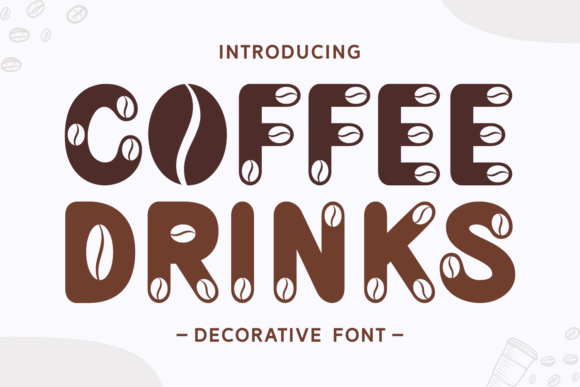
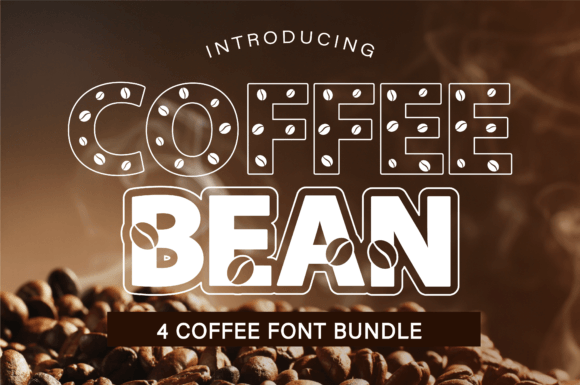
There’s something universally comforting about the aroma of fresh coffee—it signals warmth, creativity, and a moment of pause. Now, imagine capturing that essence not in a cup, but in your typography. The Coffee Bean font bundle does exactly that, offering four distinct typefaces that weave the organic charm of coffee beans into every letterform. Whether you’re designing a cozy café menu, crafting a artisan brand identity, or creating social media content that feels both rustic and refined, this collection provides the visual texture to make your projects resonate with authentic character.
Why Coffee-Inspired Typography Works for Modern Brands
In a digital landscape crowded with sterile, geometric fonts, typefaces with handmade or organic details stand out precisely because they feel human. The Coffee Bean bundle includes outline and bold styles, each decorated with subtle coffee bean motifs—think of the curved seed shape integrated into serifs, swashes, or terminal details. This isn’t just a novelty; it’s a strategic design choice. For small business owners in the food, lifestyle, or wellness industries, these details create immediate visual storytelling. A bakery using the bold variant on its packaging communicates craft and quality without a single word. A content creator using the outline style for Instagram titles adds a layer of tactile interest that stops the scroll.
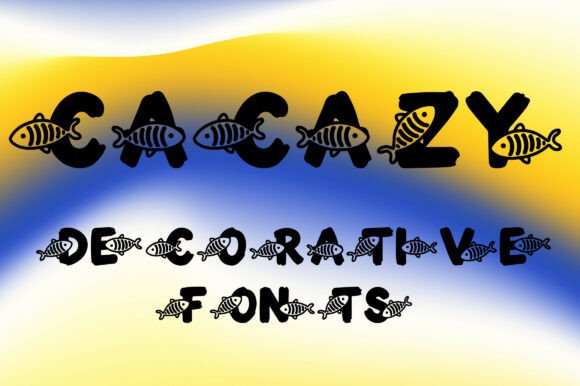
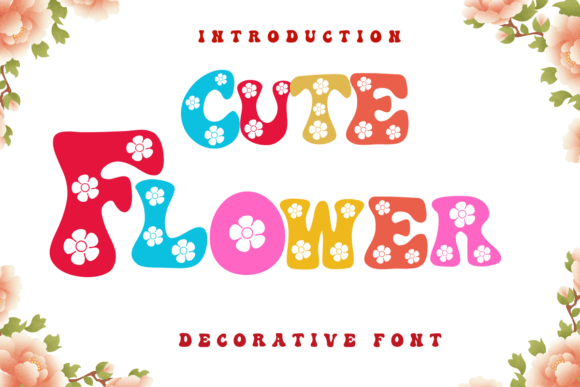
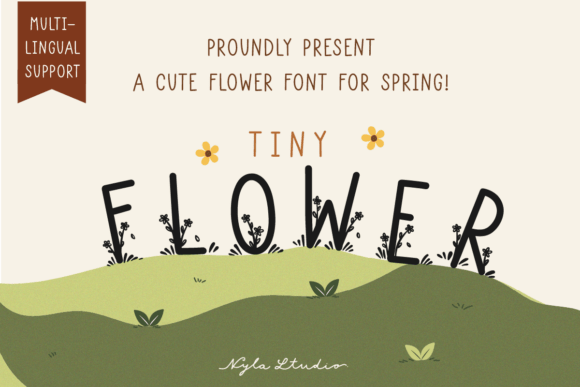
What makes this particular set versatile is its range. You’re not getting one “coffee font” that limits you to a single aesthetic. Instead, you receive four complementary typefaces—likely spanning display, serif, sans serif, or script interpretations—all unified by that signature bean detail. This allows for cohesive font pairing within a single project. For example, you could use the bold, decorated version for headlines and the cleaner outline style for subheadings or body text, maintaining visual consistency while keeping designs dynamic.
Practical Applications: From Menus to Marketing Materials
Let’s break down where Coffee Bean truly shines. For packaging design, especially for coffee brands, chocolate companies, or gourmet products, the font immediately signals industry relevance. The bean detail becomes part of the product’s story, enhancing shelf appeal. In logo design, the bold style can create a memorable, stamp-like mark, while the outline version might work for a more delicate wordmark. Consider how a coffee roaster could use the decorated letters to form a monogram that doubles as a brand icon.
Beyond physical products, this typeface excels in digital spaces. Website headers and blog titles using Coffee Bean add personality without sacrificing readability when the bold or regular weight is chosen. For social media graphics, the font’s distinctive character helps create a recognizable visual theme—imagine a series of Instagram stories or Pinterest pins where every title uses the same coffee-bean-adorned style. It builds brand recall through consistent typography. For print materials like posters, invitations, or editorial layouts in magazines, the font adds a touch of artisanal elegance. An event invitation for a brunch or a food festival would feel instantly thematic.
Choosing the Right Style for Your Project Goal
With four fonts in the bundle, selection is key. Ask yourself: what is the primary function of this text? If it’s a headline or logo, the bold, decorated style is your workhorse—it’s designed to be impactful at larger sizes. For body copy or longer text blocks, you’ll want to lean toward the simpler outline version or any included sans serif style to ensure readability. Never sacrifice legibility for style; a beautiful font is useless if your audience can’t read your menu or website paragraph.
Testing is non-negotiable. Always view your chosen font in context. Mock up a coffee shop menu with item names and descriptions. See how it looks on a mobile screen versus a printed flyer. Check the spacing (kerning and leading) to ensure the text feels comfortable to read. The coffee bean details should enhance, not overwhelm. At smaller sizes, intricate details can blur, so the cleaner outline variant might be preferable for fine print.
Consider your font pairing strategy. Coffee Bean’s personality is strong, so it pairs best with neutral, clean typefaces for contrast. A classic sans serif or a simple serif font can balance the display nature of Coffee Bean, creating hierarchy and ensuring your overall design remains professional and polished. This combination is perfect for brand identity systems, where you need a distinctive headline font paired with a functional body font for consistency across all touchpoints—from business cards to websites.
Ensuring Professional Quality and Commercial Use
Before finalizing any premium font for a commercial project, verify the licensing. Reputable font bundles like Coffee Bean typically include licenses for both personal and commercial use, but it’s crucial to read the terms. Can you use it in client work? For merchandise you intend to sell? On digital products like printable planners or ebooks? Understanding this upfront prevents legal headaches later and ensures your investment is sound.
Finally, think about audience engagement. Typography sets the emotional tone. The Coffee Bean font doesn’t just display words; it evokes a sensory experience—the warmth of a coffee shop, the richness of artisan products, the creativity of a handmade craft. This emotional connection can increase the time people spend with your content, improve brand perception, and make your marketing assets more shareable. Whether you’re a creative entrepreneur launching a new product line, a blogger cultivating a specific aesthetic, or a designer building a brand system for a client, this font bundle offers a specialized tool to communicate a specific, appealing vibe with clarity and style.