Foxspeed: The Display Font That Commands Attention
There’s a moment in every design project where the typeface either lifts the entire composition or quietly undermines it. You’ve spent hours perfecting a logo, refining a social media layout, or arranging product packaging—only to realize the font you chose feels generic, forgettable, or simply out of step with the energy you’re trying to convey. Foxspeed exists precisely for those moments. It’s a cool, assertive display typeface built to inject personality and confidence into creative work, whether you’re designing a brand identity from scratch or refreshing marketing collateral that needs sharper visual presence.
What Makes Foxspeed Stand Out
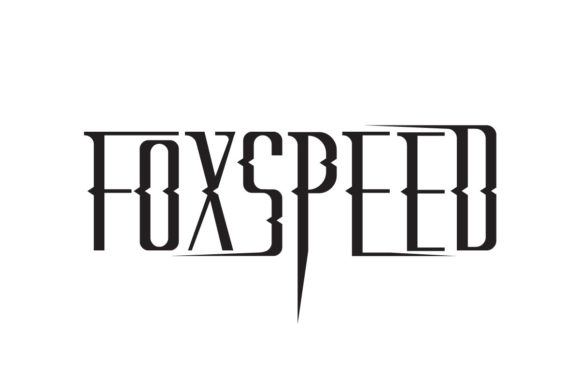
Foxspeed isn’t trying to be everything to everyone—and that’s exactly what gives it strength. Its letterforms carry a modern, slightly geometric structure with enough edge to feel contemporary without tipping into trendiness. The characters are clean but not sterile, bold without being heavy-handed. There’s a subtle sharpness in the terminals and angles that lends the font a sense of motion and energy, which is where the name “Foxspeed” feels apt. It looks fast. It looks deliberate. It looks like a typeface chosen with intention rather than pulled from a default list.
As a display font, Foxspeed is designed to work at larger sizes—headlines, titles, hero text, signage—where its visual details can breathe and make an impact. It’s not the right choice for long-form body copy, but that’s by design. Display fonts serve a different purpose: they grab attention, set a mood, and create a visual anchor that draws the eye. Foxspeed does this exceptionally well, particularly in contexts where you need typography that feels confident and self-assured.
Practical Applications Across Creative Projects
One of the most useful things about Foxspeed is its versatility across different types of projects, even though it’s clearly a display typeface. Here’s where it tends to perform best:
- Branding and Logo Design: If you’re building a brand identity for a startup, a personal brand, or a product line, Foxspeed gives you a strong typographic foundation. Its assertive character works well for tech companies, fitness brands, automotive-related businesses, streetwear labels, or any venture that wants to project confidence and forward momentum. Use it for the primary wordmark, then pair it with a cleaner sans serif or serif font for supporting text.
- Packaging Design: On product packaging, typography needs to do two things—communicate clearly and look distinctive on a shelf or screen. Foxspeed handles both. Its sharp geometry and modern feel make it a solid choice for product names, flavor labels, or edition names on everything from craft beverages to skincare lines to artisanal food products.
- Social Media Graphics: Scroll-stopping social content often hinges on bold, readable typography. Foxspeed works beautifully for Instagram quote graphics, YouTube thumbnails, TikTok overlays, Pinterest pins, and promotional banners. Its high-contrast letterforms hold up well at different resolutions and sizes, which matters when your audience is viewing content on a phone screen at arm’s length.
- Posters and Event Materials: Whether you’re designing a music event flyer, a conference poster, or a gallery exhibition announcement, Foxspeed brings the kind of visual weight that large-format print demands. It fills space without looking stretched or distorted, and its personality adds context—modern, energetic, and intentional.
- Invitations and Editorial Layouts: For magazine covers, lookbook layouts, or stylish event invitations, Foxspeed can serve as a striking headline font that sets the editorial tone. Pair it with a classic serif for body text and you get a sophisticated contrast that feels curated rather than chaotic.
- Merchandise and Digital Products: T-shirts, mugs, tote bags, stickers, digital planners, e-book covers—Foxspeed adapts to physical and digital merchandise with equal ease. Its bold presence ensures that text-based designs remain legible and visually interesting, even at smaller sizes on printed goods.
Improving Visual Consistency and Brand Recognition
Typography is one of the most underrated tools for building brand recognition. Think about the brands you instantly recognize—part of that recognition comes from consistent typographic choices repeated across touchpoints. When you use Foxspeed as part of a defined type system, you’re creating a visual shorthand that audiences begin to associate with your brand’s personality.
For example, if you run a fitness coaching business and use Foxspeed across your Instagram posts, website headers, email headers, and printed workout guides, the typeface becomes part of your brand’s visual language. Over time, people start to recognize your content before they even read the words. That’s the power of typographic consistency—and Foxspeed’s distinctive character makes it particularly effective for this kind of repeated, recognizable use.
Professional presentation also benefits from thoughtful font selection. A mismatched or overly generic typeface can make even a well-designed layout feel amateurish. Foxspeed brings a level of polish that signals competence and care, which matters whether you’re pitching to clients, selling products, or building an audience online.
Choosing the Right Font and Pairing It Well
Foxspeed is PUA encoded, which means every glyph, swash, and alternate character is fully accessible. This is a practical advantage for designers who want to customize letterforms, add decorative flourishes, or experiment with stylistic variations without running into software limitations. Before finalizing any design, it’s worth reviewing the full character set—sometimes a simple alternate for a capital letter or a stylistic swash on a headline can transform the entire feel of a layout.
When pairing Foxspeed with other fonts, the goal is contrast without conflict. Because Foxspeed has a strong, modern personality, it works best alongside typefaces that are quieter and more neutral. A clean sans serif like a geometric or humanist sans serif makes a reliable companion for body text, subheadings, and UI elements. A classic serif can add warmth and editorial sophistication if the project calls for it. The key is to let Foxspeed do the heavy lifting visually while the supporting font handles readability for longer passages.
Testing is essential. Before committing to a font pairing, mock up a few real-world examples—a social media post, a business card, a product label—and see how the combination feels at actual sizes. What looks balanced on a large monitor might feel cramped on a phone screen, and vice versa. Foxspeed’s assertive geometry holds up well across formats, but it’s always worth verifying in context.
Readability, Licensing, and Getting Started
Foxspeed is a creative font designed for display use, which means readability at small sizes or in dense paragraphs isn’t its primary strength—and that’s perfectly fine. Every typeface has an ideal range. Use Foxspeed where it shines: headlines, logos, titles, and short, impactful text. For body copy, choose a complementary font optimized for extended reading. This division of labor between display and text fonts is standard practice in professional design, and it ensures that every element of your layout serves its intended purpose.
Before using Foxspeed in commercial projects, take a moment to review the licensing terms included with your purchase. Most premium fonts come with specific guidelines for commercial use, which may vary depending on the scale of your project, the number of users, or the type of media. Understanding these terms upfront protects you legally and ensures that your investment in quality typography is properly supported.
Foxspeed is more than just another display typeface—it’s a design asset that brings clarity, confidence, and visual personality to a wide range of creative work. Whether you’re refining a brand identity, launching a product, or designing content that needs to stand out in a crowded feed, having a typeface that matches your ambition makes all the difference. The best typography doesn’t just look good—it communicates something before a single word is read. Foxspeed does exactly that.