Horror Night: The Display Typeface for Bold Visuals
There is a specific moment in the creative process where everything needs to shift. You might be designing a logo for a new escape room, creating a flyer for a local haunted attraction, or perhaps developing the visual identity for a niche clothing brand that deals in the macabre. In these instances, a standard sans serif font like Helvetica or Arial feels completely wrong. The typography needs to do more than just convey information; it needs to set a mood instantly. This is where Horror Night enters the picture. It is not merely a collection of letters; it is a statement piece, a display font designed to evoke a sense of unease, darkness, and vintage creepiness that standard typefaces simply cannot replicate.
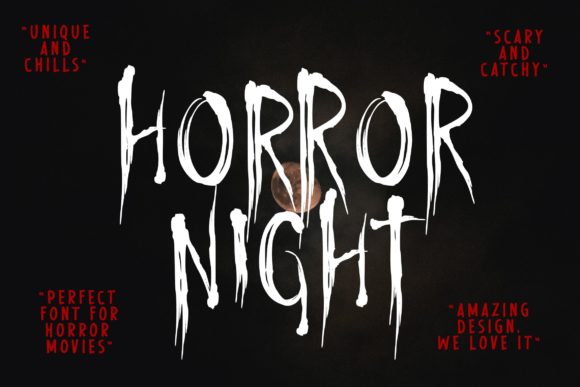
When we talk about Horror Night, we are looking at a typeface that embraces the aesthetic of classic horror movie posters and vintage Halloween decorations. It features jagged edges, irregular baselines, and a texture that feels hand-drawn and slightly distressed. This isn't the clean, corporate look of modern minimalism. Instead, it taps into a raw, gritty visual language. For designers and business owners, understanding the personality of a font is just as important as the words it spells out. Horror Night communicates danger, mystery, and excitement before the viewer even reads the headline. It is a powerful tool for anyone looking to inject a heavy dose of atmosphere into their creative projects.
Understanding the Visual Weight of Display Typography
In the world of typography, display fonts are the heavy lifters when it comes to grabbing attention. Unlike body text fonts, which are designed for long-form reading and legibility at small sizes, display fonts like Horror Night are built for impact. They are meant to be seen in large formats—headers, logos, and posters—where they can showcase their unique details. The visual appeal of this particular typeface lies in its "creepy and dark" character. It mimics the look of old, dripping blood or eroded stone, which makes it a perfect candidate for projects that need to feel gritty and authentic.
For a small business owner or a content creator, choosing a premium font like this can be a game-changer. Free fonts often lack the nuance and the complete character sets required for professional work. A well-crafted display font offers consistency in its irregularities. For example, the kerning (the space between letters) in Horror Night is carefully adjusted to ensure that even though the letters look jagged and chaotic, they still flow together as a cohesive word. This balance between chaos and control is what separates amateur designs from professional branding. If you are working on a project that requires a serif font or a sans serif font for the body copy, Horror Night serves as a striking contrast, making your headers pop against the clean background text.
Practical Applications for Branding and Marketing
The versatility of a creative font extends far beyond Halloween party invites. While it is certainly the perfect choice for seasonal crafts, its utility in year-round branding is significant. Consider the booming market of independent horror podcasts, true crime blogs, or gothic clothing lines. For these brands, visual identity is everything. Using Horror Night in your logo design or on your website headers instantly signals to your audience what kind of content they can expect. It builds a visual bridge between your brand promise and your audience's expectations.
Here are several practical ways to implement this typeface into your workflow:
- Packaging Design: If you sell candles, hot sauces, or craft beers with edgy themes, the packaging needs to stand out on the shelf. Horror Night works exceptionally well on labels, especially when printed with textured finishes or metallic foils.
- Social Media Graphics: In the fast-scrolling environment of Instagram or TikTok, you have seconds to stop a user. A bold, terrifying font for your text overlays on Reels or static posts can be the hook that earns the click.
- Merchandise: T-shirts, hoodies, and stickers often rely on graphic design elements rather than paragraphs of text. This font translates beautifully to fabric, giving apparel that coveted "distressed vintage" look without needing additional Photoshop filters.
- Editorial Layouts: For magazines or zines covering the supernatural, gaming, or metal music, using Horror Night for pull quotes or section headers adds a layer of immersion to the reading experience.
Bridging the Gap Between Style and Readability
One of the most common pitfalls in using decorative or display fonts is sacrificing readability for style. A logo might look artistic, but if a potential customer cannot read the business name in under three seconds, the design has failed. Horror Night walks a fine line here. While it is highly stylized, it maintains the structural integrity of the alphabet. However, as a designer or marketer, you must be mindful of context.
You should avoid using Horror Night for small body text or long paragraphs. Its jagged edges can become visually noisy and difficult to parse when reduced in size. Instead, use it for "hero" text—the main message you want to convey. Pair it with a clean, legible sans serif font or a simple modern typography style for the supporting details. For instance, if you are designing a poster for a haunted house, use Horror Night for the event title and dates, but switch to a clean sans serif for the ticket information, address, and safety warnings. This ensures that the design looks professional while maintaining the spooky atmosphere.
Strategic Font Pairing for Maximum Impact
Typography is rarely a solo act. Finding the right partner for your headline font is crucial for visual consistency. Because Horror Night is a high-impact, heavy font, it pairs best with lighter, simpler typefaces. Think of it as a duet between a screaming lead singer and a steady rhythm guitarist.
Consider these pairing strategies to enhance your brand identity:
- The Classic Contrast: Pair Horror Night with a clean geometric sans serif. The clean lines of the secondary font will make the rough texture of the headline font stand out even more. This is excellent for web design where hierarchy is key.
- The Vintage Mix: If you are going for a retro horror vibe, try pairing it with a script font or a handwritten font. This combination feels personal and artistic, perfect for indie brands or creative portfolios.
- The Editorial Look: For editorial design, pair it with a sturdy, high-contrast serif font. This creates a sophisticated yet edgy look, suitable for book covers or magazine features about dark fiction.
Always test your pairings in context. Don't just look at them on a blank white canvas. Place them on your intended background—whether it's a dark photo, a texture, or a solid color. Horror Night often looks best on dark backgrounds, where the negative space can play tricks on the eye, enhancing the creepy effect.
Licensing and Asset Management for Professionals
For entrepreneurs and agencies, the legal side of design is just as important as the creative side. When selecting a commercial font like Horror Night, you must ensure you have the correct license for your intended use. Most premium fonts come with different tiers of licensing. A "Desktop" license usually covers print materials, logos, and merchandise. However, if you plan to use the font in a digital product (like a Canva template you sell) or embed it deeply into a web design via CSS, you often need a specific "Web" or "App" license.
Ignoring these details can lead to legal headaches down the road. Always read the End User License Agreement (EULA). A reputable design asset provider will make these terms clear. Investing in a proper license for a premium font also supports the type designers who spend hundreds of hours crafting these letters. It ensures that the font files are of high quality, free of errors, and include all the necessary characters for professional use.
Pushing Creative Boundaries
Ultimately, the "only limit is your imagination" might sound like a cliché, but in graphic design, it is the truth. Horror Night is a tool, and like any tool, its value depends on the skill of the user. Don't be afraid to experiment with scale. Try setting the font at massive sizes where only a few letters fill the screen to create abstract art. Experiment with color—neon greens and purples against black create a very different vibe than blood red against parchment.
Whether you are a hobbyist making invitations for a friends-and-family gathering or a marketing professional launching a global campaign for a thriller movie, the principles remain the same. Typography shapes emotion. By integrating a typeface like Horror Night into your toolkit, you are equipping yourself with the ability to tell darker, more compelling visual stories. It bridges the gap between the mundane and the macabre, ensuring your projects aren't just seen, but felt.