Music Note: A Typeface That Dances Off the Page
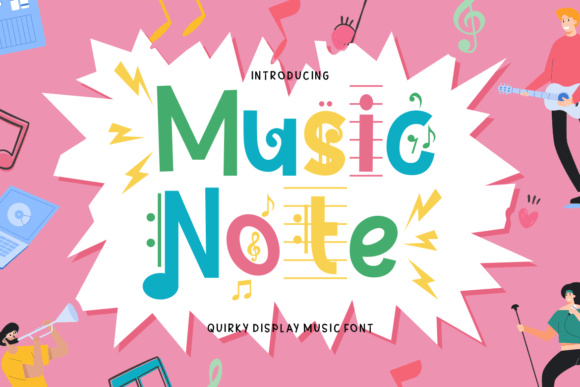
There are fonts that whisper, and there are fonts that sing. For designers, crafters, and entrepreneurs, finding a typeface that truly captures a specific emotion is like finding the perfect melody. When a project calls for joy, whimsy, and a touch of artistic flair, standard corporate sans-serifs often fall flat. You need a display font that doesn't just sit on the canvas but interacts with it. This is where Music Note enters the composition—a quirky, thematic display typeface designed to infuse projects with the infectious energy of a lively orchestra. It is not merely a set of characters; it is a visual instrument, blending the geometry of musical scales with the playful spirit of a child’s imagination.
The Anatomy of a Playful Display Typeface
Understanding the visual DNA of Music Note is key to using it effectively. Unlike rigid text fonts designed for long-form reading, Music Note is a display font intended for headlines, logos, and decorative elements. Its design philosophy is rooted in "crafter’s touch," meaning the strokes feel organic and hand-inspired rather than mechanically generated. The letters often incorporate subtle nods to musical iconography—think curves that mimic treble clefs or terminals that resemble half notes.
What sets this typeface apart is its versatility within its niche. It arrives with 9 unique variations. This is crucial for designers because a single font style can become monotonous. With Music Note, you can switch between variations to denote changes in tempo or mood within your design. One variation might feel staccato and sharp, perfect for a high-energy poster, while another might feel more flowing and legato, ideal for a greeting card. This adaptability ensures that your typography remains consistent with the brand identity while offering enough variety to keep the visual interest high.
Bringing Brand Identity to Life
For small business owners and entrepreneurs, brand recognition hinges on visual consistency and personality. If your business operates in the creative, educational, or entertainment sectors, Music Note offers a distinct competitive advantage. Consider a music school, a children’s party planner, or a boutique crafting supply store. Using a generic font like Times New Roman or Arial signals nothing about the brand's soul. Music Note, however, immediately communicates the brand’s purpose and ethos.
When developing a brand identity, the logo is the cornerstone. Music Note excels in logo design because it is inherently memorable. A logo set in this typeface tells a story before the customer even reads the tagline. It suggests rhythm, harmony, and creativity. Furthermore, the font’s unique character shapes ensure that your business name stands out in a crowded marketplace. It transforms a simple wordmark into a piece of art that resonates with the target audience—parents looking for fun activities, students looking for creative outlets, or consumers looking for unique products.
Practical Applications: From Screen to Stitch
The true value of a creative font lies in its utility across different mediums. Music Note is designed to function seamlessly in both digital and physical environments, making it a valuable asset in any designer’s toolkit.
Print Materials and Packaging:
In the world of packaging design, shelf appeal is everything. If you are designing labels for a bakery, a toy store, or a stationery brand, Music Note adds a layer of tactile charm. It works beautifully on die-cut stickers, hang tags, and box art. The font’s whimsical nature makes it perfect for invitation cards—whether for a birthday party or a musical recital—setting the tone for the event before the guest even arrives. It is equally effective in editorial design, such as magazine covers or headers for lifestyle blogs, where it can break the monotony of standard text layouts.
Digital Presence and Social Media:
In the fast-paced world of digital marketing, grabbing attention is the primary goal. On social media platforms like Instagram or Pinterest, visual noise is high. Using Music Note for social media graphics can help your posts stand out in a scrolling feed. It is particularly effective for quote graphics related to creativity, announcements for sales, or headers for YouTube thumbnails. For web design, while it shouldn't be used for body text (as display fonts can reduce readability in long paragraphs), it is perfect for hero sections, call-to-action buttons, and navigation headers. It guides the user's eye and injects personality into the digital experience.
Merchandise and Crafting:
The "crafter’s touch" of the font makes it a favorite for merchandise. If you are selling T-shirts, tote bags, or mugs, Music Note provides the hand-drawn aesthetic that consumers love. It bridges the gap between professional typography and the warmth of handmade goods. For hobbyists and crafters, this font is a gem for scrapbooking, planner decoration, and creating custom decals.
Mastering Typography: Pairing and Readability
While Music Note is a powerful design asset, using a display font effectively requires a bit of strategy. The most common mistake in design is using a decorative font for everything. Because Music Note is rich in detail and personality, it is best paired with a clean, neutral font to ensure readability.
The Art of Font Pairing:
To create a balanced layout, pair Music Note with a simple sans serif font or a clean serif font. For example, use Music Note for the main headline to grab attention, and then use a font like Open Sans, Roboto, or Lato for the sub-headlines and body copy. This contrast creates a visual hierarchy. The display font acts as the "voice" of the design, while the supporting font provides the clear information the reader needs. If you pair it with another overly decorative or script font, the design may become chaotic and difficult to decipher.
Readability Considerations:
Always consider the medium. On a small business card or a mobile screen, intricate fonts can lose legibility at small sizes. Music Note is best used at larger point sizes where its details can shine. When using it for logos or branding, ensure there is enough "breathing room" (white space) around the text so the unique shapes don't get cluttered. Test your designs by printing them out or viewing them on different devices to ensure the charm of the font translates without becoming muddy.
Licensing and Versatility
For professionals, the technical side of typography is just as important as the aesthetic. Music Note is available in both OTF and TTF formats, ensuring compatibility across various operating systems and design software, from Adobe Illustrator to Canva.
When downloading any premium font, it is vital to understand the licensing. Whether you are using it for a one-off personal project or a large-scale commercial campaign, ensure your license covers your intended use. Music Note is designed to be a commercial font, making it suitable for client work, merchandise sales, and digital products. This flexibility allows designers and entrepreneurs to incorporate the font into their business assets without legal ambiguity, providing peace of mind alongside visual appeal.
Ultimately, typography is about communication. It is about choosing the right "voice" for your message. Music Note offers a voice that is cheerful, rhythmic, and full of life. It reminds us that design doesn't always have to be serious; sometimes, it just needs to dance. Whether you are crafting a brand identity for a new startup or designing a poster for a local event, let this typeface be the conductor of your visual symphony.