Righter: The Monoline Font for Modern Branding and Neon Designs
There's a particular kind of magic in a font that feels both personal and polished, like a signature scrawled confidently on a contract or a neon sign buzzing with life on a city street. Finding a typeface that captures that energy without sacrificing clarity is a common challenge for designers and entrepreneurs. The Righter font steps into this space with a distinct personality—a monoline, handwritten style that balances approachability with a sleek, modern edge. It’s not just another script font; it’s a tool designed to inject authenticity and visual interest into a wide array of projects, from digital branding to physical merchandise.
Understanding the Visual Appeal of a Monoline Handwritten Font
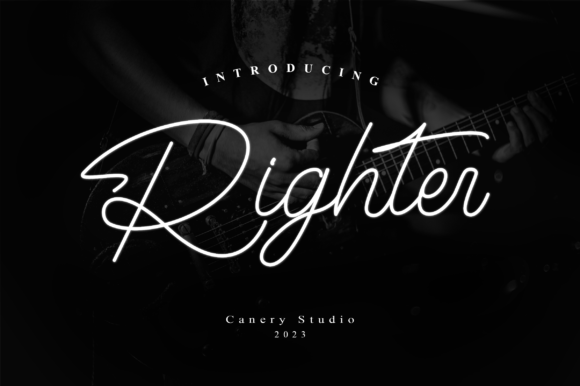
At its core, Righter is defined by its consistent stroke weight, a characteristic known as being monoline. This gives it a clean, confident look that avoids the overly casual or chaotic feel some handwritten fonts can have. The letterforms mimic firm, deliberate handwriting, making it feel personal yet legible. This duality is what makes it so versatile. It can evoke a minimalist aesthetic with its simplicity or lean into a retro vibe when paired with the right colors and textures, especially when used to create glowing neon text effects.
What truly sets a premium font like this apart are the details. Righter includes stylistic alternates—different versions of certain letters—that you can access to customize the flow and look of your text. These alternates, particularly those that sit high or change the front, back, or middle of letters, allow you to avoid repetitive patterns and create a more organic, authentic handwritten feel. For anyone serious about their design assets, this level of customization is invaluable. Furthermore, being PUA encoded means all these special glyphs and ligatures are easily accessible through standard design software, removing technical barriers and letting you focus on creativity.
Practical Applications: Where Righter Truly Shines
Knowing a font looks good is one thing; understanding where and how to use it effectively is another. The strength of a typeface like Righter lies in its adaptability across different media and contexts. Its clean lines and personal touch make it a strong candidate for projects where you need to convey a human element without compromising professionalism.
Building a Cohesive Brand Identity: For small businesses, startups, or personal brands, typography is a cornerstone of visual identity. Using Righter for your logo, website headers, or social media graphics can instantly establish a tone that is friendly, creative, and trustworthy. Imagine a boutique coffee shop using it for its menu and signage, or a freelance photographer incorporating it into their watermark and client presentations. It helps build brand recognition through a consistent and memorable visual voice.
Enhancing Marketing and Editorial Design: In the crowded space of social media and digital marketing, standing out is crucial. Righter works beautifully for eye-catching Instagram stories, Facebook ad headlines, or YouTube thumbnails that need to grab attention quickly. Its handwritten style can increase audience engagement by making content feel more personal and less corporate. For bloggers and content creators, using it for pull quotes or section headers in articles can break up text and add visual interest, improving readability and keeping readers engaged longer.
Creating Impactful Physical and Digital Products: The applications extend far beyond the screen. This font is an excellent choice for packaging design, especially for artisanal or lifestyle products where a personal touch adds value. Think of labels for handmade candles, skincare products, or gourmet foods. It’s also perfect for designing stylish invitations, event posters, or merchandise like t-shirts and tote bags. For digital products, such as e-books, online course materials, or printable planners, Righter can add a layer of sophistication and approachability that enhances the perceived value.
Making Smart Typography Choices for Your Project
Choosing the right font is a strategic decision that impacts how your message is received. While Righter is versatile, using it effectively requires some thoughtful consideration. First, always match the font’s personality to your project’s goals. A playful, handwritten font might be perfect for a children’s brand but less suitable for a corporate law firm. Test your font pairings carefully. Righter, as a display or script font, often pairs well with a simple, clean sans serif or serif font for body text. This contrast ensures hierarchy and maintains readability in longer passages.
Readability is paramount, especially for web design and print materials where text needs to be legible at various sizes. While stylistic alternates are a fantastic feature, use them judiciously to ensure your text remains easy to read. Always review the full font family or included styles to see if there are weights or variations that might better suit different applications, like a lighter weight for subtitles. Finally, if you’re using the font for commercial work—like client projects, merchandise for sale, or marketing materials—always verify the licensing terms. A commercial font license is a necessary investment to ensure you have the legal right to use the typeface in your professional endeavors.
In the end, a typeface like Righter offers more than just letters; it provides a means of communication that feels genuine and dynamic. It’s a creative asset that can help bridge the gap between a cold digital interface and a warm human connection, making it a worthy consideration for your next design toolkit.