Unleashing Creativity: The Poptis & Heaver Font Duo
There’s a specific kind of frustration that hits when you’re trying to design a logo or a wedding invitation, and the typography just isn't cooperating. You have a clear vision in your head—something that balances elegance with personality—but the fonts you’re layering feel disjointed. This is the challenge that the Poptis & Heaver font duo was designed to solve. It isn’t just a collection of letters; it is a carefully curated system intended to bridge the gap between spontaneous, artistic expression and structured, reliable design.
For designers, entrepreneurs, and content creators, finding a typeface that offers versatility without losing its soul is rare. We often have to choose between a script font that looks beautiful but is impossible to read at smaller sizes, or a serif font that is legible but feels cold and corporate. Poptis & Heaver disrupts this binary by offering a cohesive aesthetic across four unique styles, allowing you to mix and match components to create designs that look like custom lettering without the hefty price tag of a bespoke commission.
The Anatomy of a Perfect Pairing
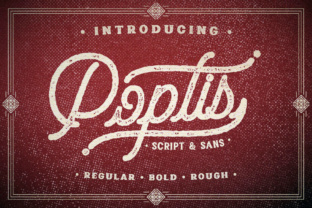
Understanding what makes a font pairing work is essential for anyone working in visual communication. It’s about contrast and harmony existing in the same space. Poptis & Heaver achieves this through a distinct visual personality. The "Poptis" component acts as the expressive voice. It is a fluid, artistic script font that mimics the flow of a brush pen or marker. It brings the "human" element to your design—the slight imperfections and varying line weights that suggest a handcrafted origin.
Complementing this is the "Heaver" side of the duo. This usually serves as the anchor. While the script provides movement, the Heaver style provides stability. Depending on how you utilize the four styles included in the package, you can shift the mood of your project instantly. You might use the script for a main headline to grab attention, then switch to the Heaver style for subtitles or body text to ensure the message is actually read. This dynamic range is what makes it a premium font choice for those who need their design assets to do heavy lifting.
Real-World Applications: From Screen to Print
The true test of any typeface is how it performs in the wild. A font might look stunning on a Behance presentation but fall apart when applied to a low-resolution social media graphic or a textured fabric. Because Poptis & Heaver is designed for a variety of mediums, it excels across the board.
Branding and Logo Design
For small business owners, your logo is often the first handshake with a potential customer. If you are building a brand identity for a boutique, a bakery, or a creative agency, you need typography that feels inviting. The script elements of Poptis & Heaver allow for a warm, approachable logo, while the accompanying styles ensure the brand name remains legible on business cards or storefront signage.
Packaging and Labels
In packaging design, shelf appeal is everything. Consumers scan products quickly. Using the alternates available in the script font can help your product name stand out with a bespoke feel. Imagine a jam jar label or a skincare box; the handwritten aesthetic suggests an artisanal quality, implying care and attention to detail in the product itself.
Digital Content and Social Media
For content creators and marketers, social media graphics need to stop the scroll. The visual impact of a well-placed script header cannot be overstated. Whether you are designing Instagram stories, Pinterest pins, or YouTube thumbnails, the mix-and-match capability of this creative font allows you to create visual variety without straying from your brand guidelines. It keeps your feed looking cohesive yet dynamic.
Editorial and Print Materials
Don't overlook the power of good typography in print. For editorial design, such as magazine headers or blog graphics, the font adds a layer of sophistication. It is equally at home on a wedding invitation, a motivational poster, or merchandise like t-shirts and tote bags. The versatility ensures that whether the design is viewed on a Retina display or printed on textured cardstock, the character of the font shines through.
Navigating the Styles and Alternates
One of the most practical features of this package is the inclusion of multiple alternates within the script font. In modern typography, repetition is the enemy of authenticity. If you use the letter "a" three times in a word, and they all look identical, it instantly looks digital and sterile. The alternates in Poptis & Heaver allow you to swap out characters to mimic the natural variation of handwriting. This is crucial for creating that "custom lettering" look that is so popular in current design trends.
However, using alternates requires a bit of strategy. You don’t want to overdo it to the point where the text becomes unreadable. A good rule of thumb is to use the swashes or distinct alternates for the first and last letters of a word, or just for key letters like 'h', 'k', 'y', or 'g' that have long tails. This adds flair without compromising the structure of the word.
Matching Typography to Project Goals
Choosing the right font is less about what looks "cool" and more about what communicates the right message. Before you dive into your next project using Poptis & Heaver, consider the goal of the communication.
- Readability First: If your project involves long-form reading, such as a blog post or a brochure body text, avoid using the script style for paragraphs. Use the Heaver styles for the body and reserve the script for pull quotes or headers. This ensures your audience can digest the information effortlessly.
- Mood Matching: The font duo leans towards a friendly, elegant, and slightly vintage aesthetic. It works beautifully for lifestyle brands, food and beverage, fashion, and wedding industries. If you are designing for a fintech startup or a heavy industrial manufacturer, you might find the personality of the script is too casual for the context.
- Visual Hierarchy: Use the weight and style differences to create a hierarchy. The boldest style should be for the main takeaway. The script can introduce the topic, and the standard styles can explain the details. This guides the viewer's eye exactly where you want it to go.
Technical Considerations for Professionals
While the visual appeal is paramount, practical application matters. When incorporating a commercial font like Poptis & Heaver into your workflow, always check the licensing. Most premium fonts come with specific licenses for desktop use, web use (webfonts), and app embedding. Ensure you have the correct license for your project—especially if you are designing merchandise for sale or creating digital products like templates that you intend to resell.
Furthermore, test your font pairings early in the design process. While Poptis & Heaver is designed to work together, you may want to pair the Heaver style with a clean sans serif font for UI elements or body text if the project requires a more modern, minimalist look. The goal is to create a visual ecosystem where every element supports the others.
Ultimately, Poptis & Heaver is more than just a display font; it is a toolkit for visual storytelling. It empowers designers to produce work that feels expensive and custom, bridging the gap between amateur projects and professional-grade design. Whether you are refining a logo, launching a new product line, or simply creating a beautiful quote graphic for your followers, this font duo provides the flexibility and charm needed to make your work stand out.